Raising Awareness for Greek Digital Preservation Projects
TL;DR
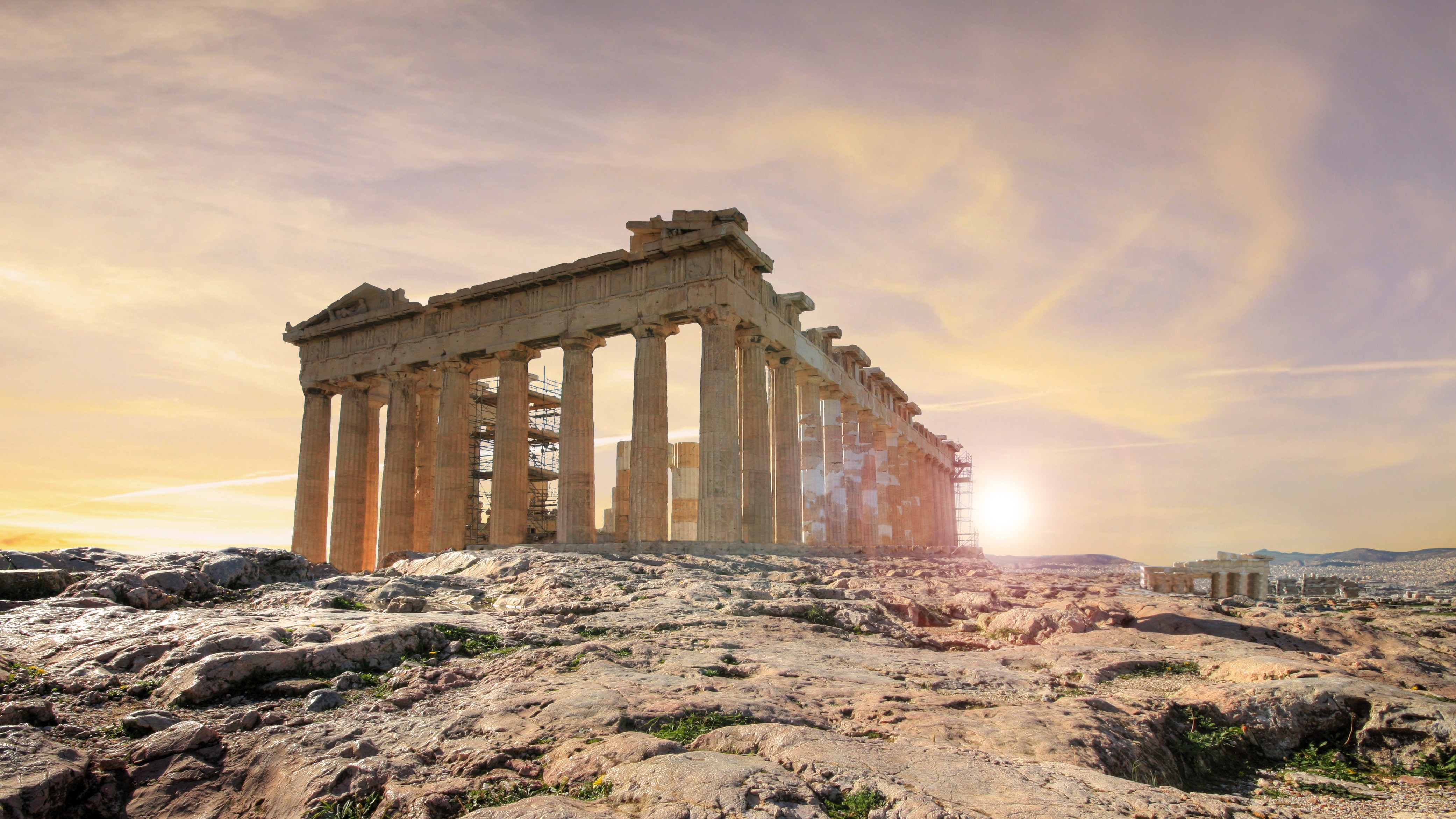
I worked with a pretty large, cross-departmental team in order to create an educational website that will teach architecture students how to properly restore and preserve historic buildings in Greece.
The team consisted of four UX Designers, two writers, and was mentored by several professors and UVU and NTUA.
Getting Familiar with the Design System
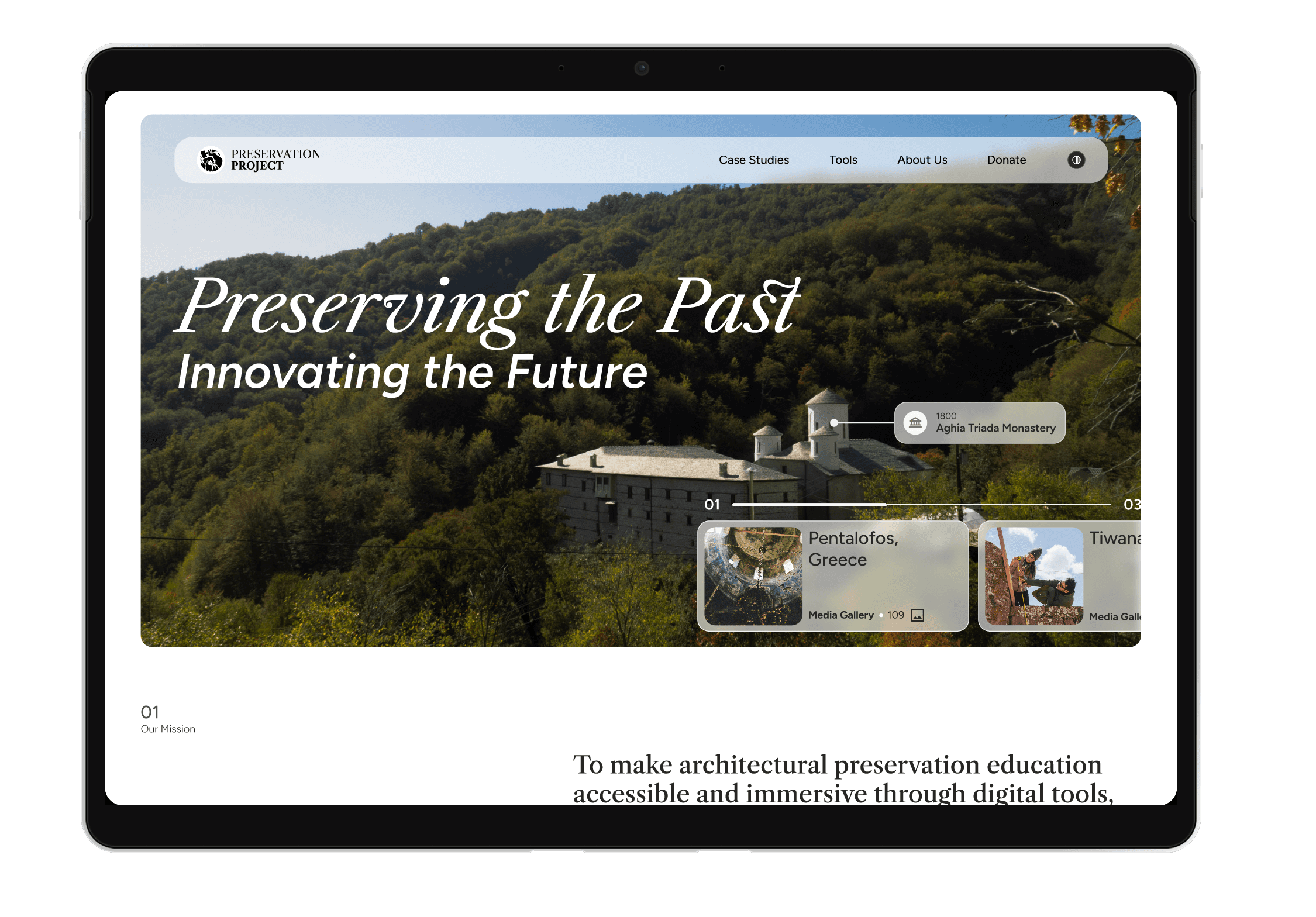
Two of the designers for this project, Emma Lam and Tessa Johnson, created a gorgeous site prototype and a fully fleshed-out design system that served as the foundation of everything moving forward.
Later on, we would decide that creating learning modules was too ambitious for the time we had and instead went to more of a blog format. But we stayed true to a lot of the design throughout, which was possible due to the design system documentation.
Traveling to Greece.
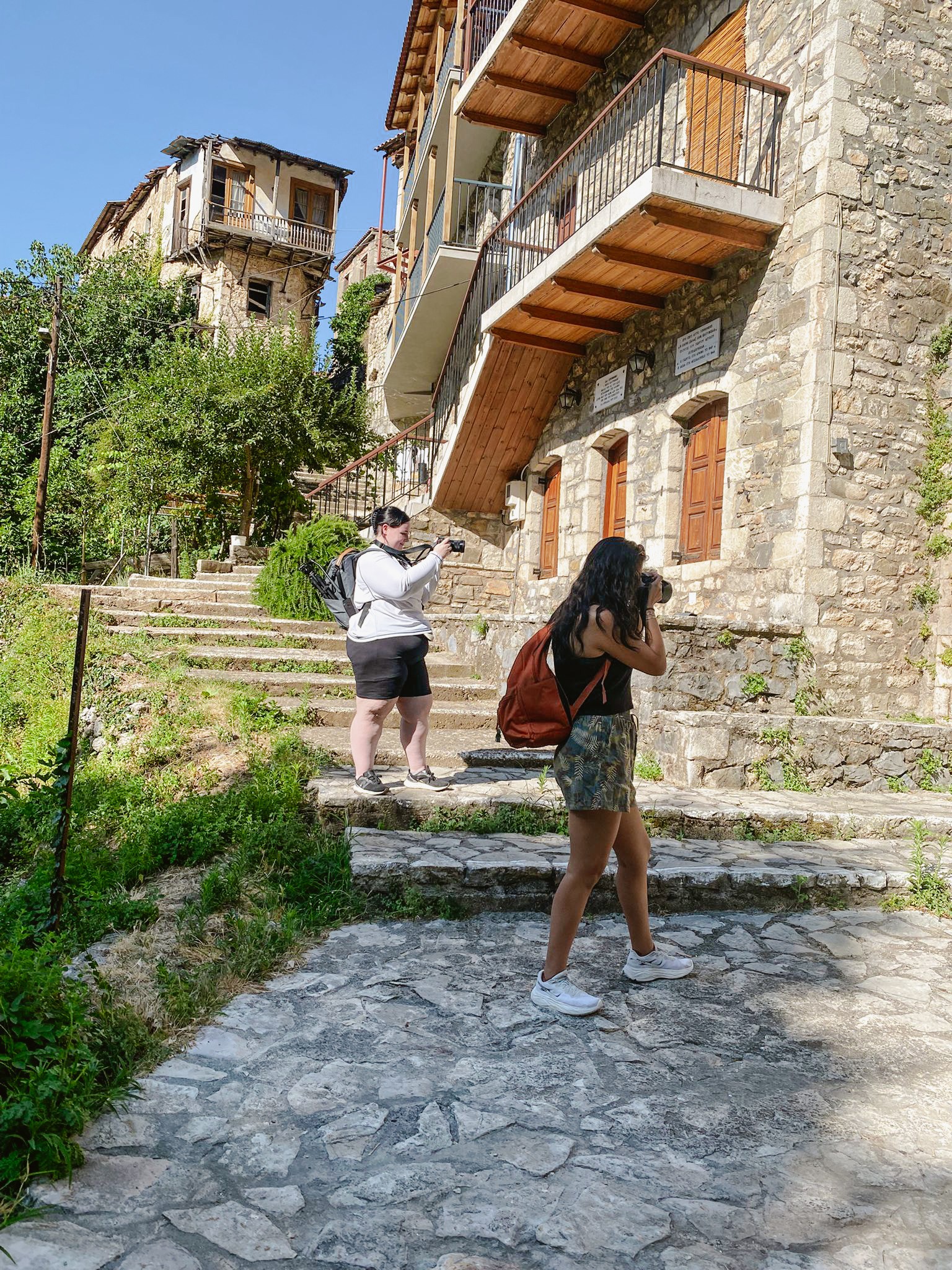
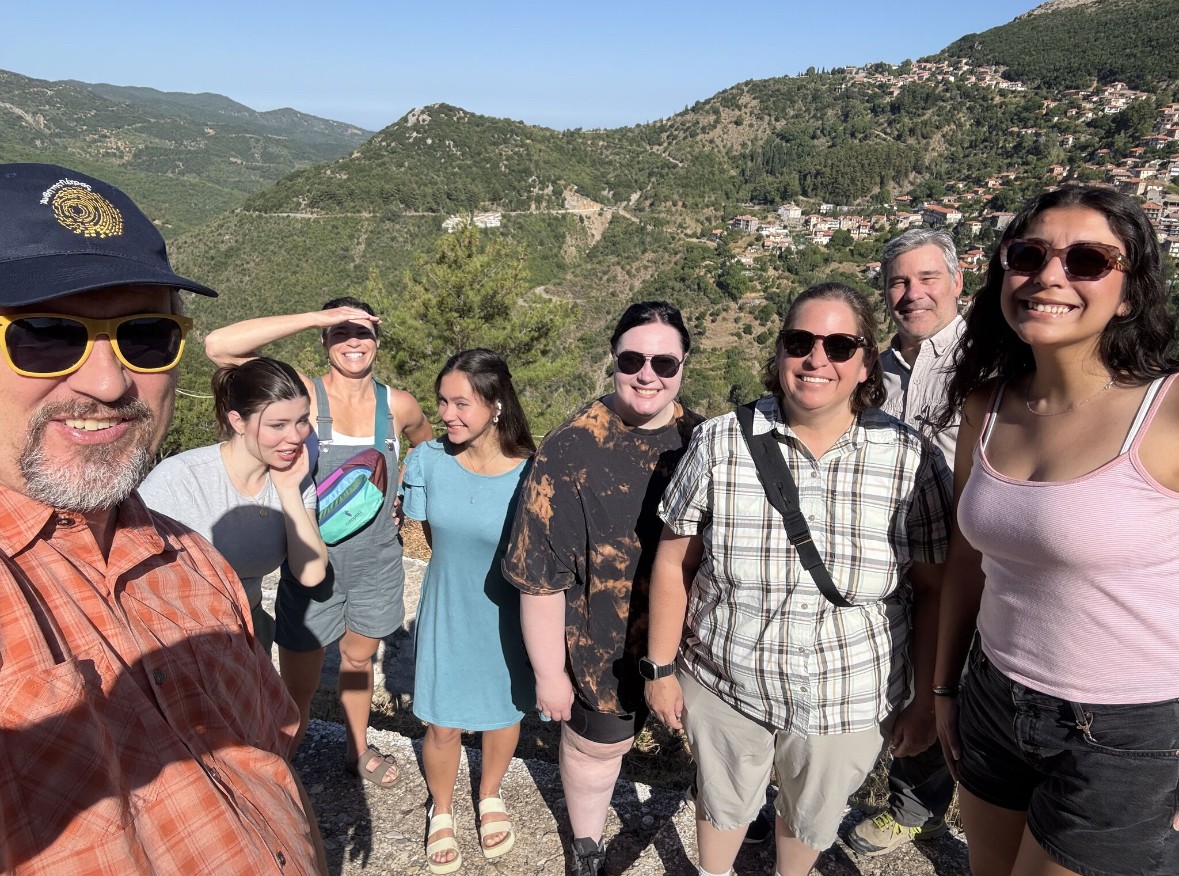
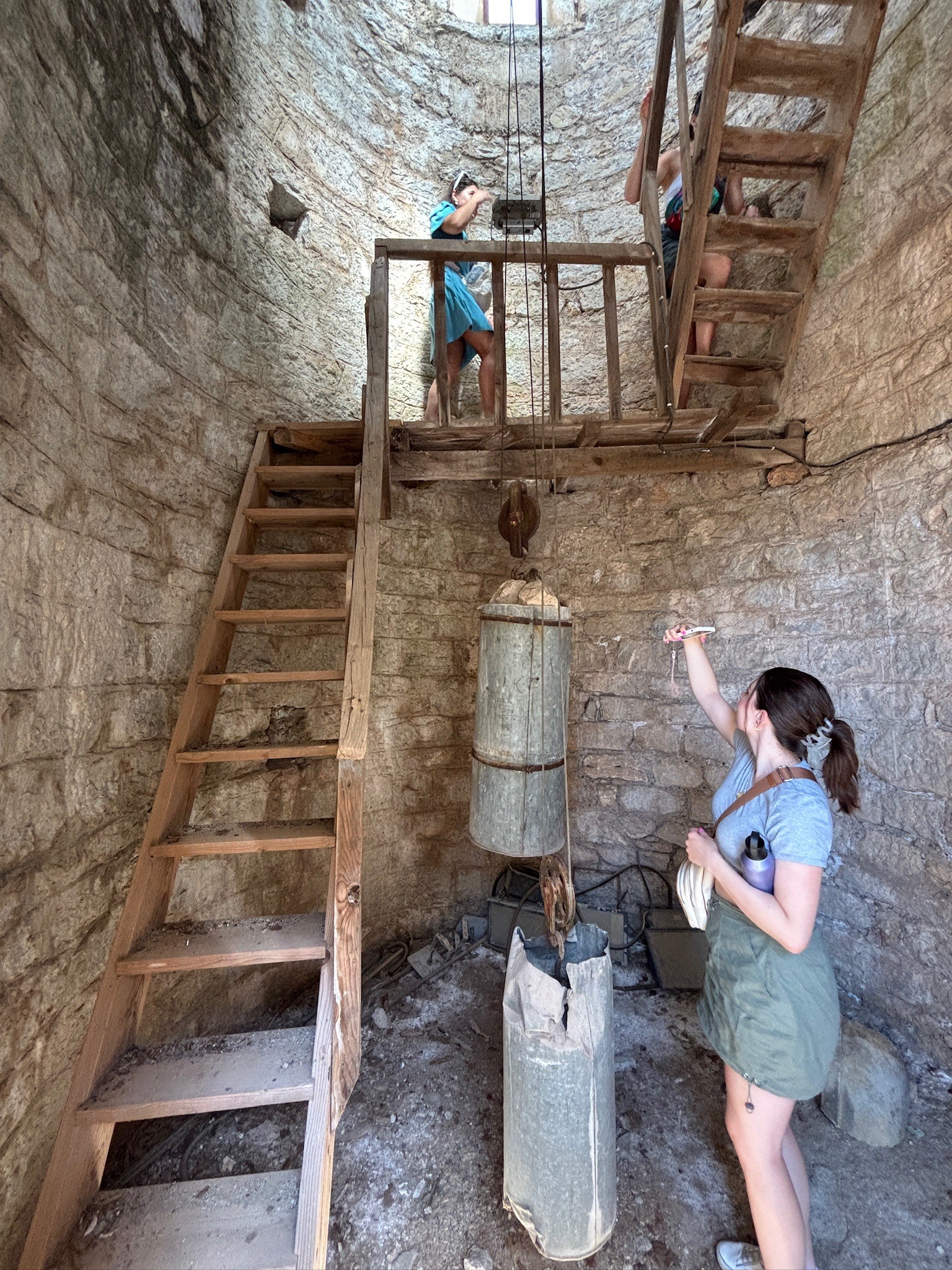
In July 2025, part of our team flew to Lagkadia, Greece in order to attend the Blossoming Stones conference. This conference was held in order to teach architecture students from the National Technical University of Athens how to carve stone in the way the great, ancient builders of Greece did.
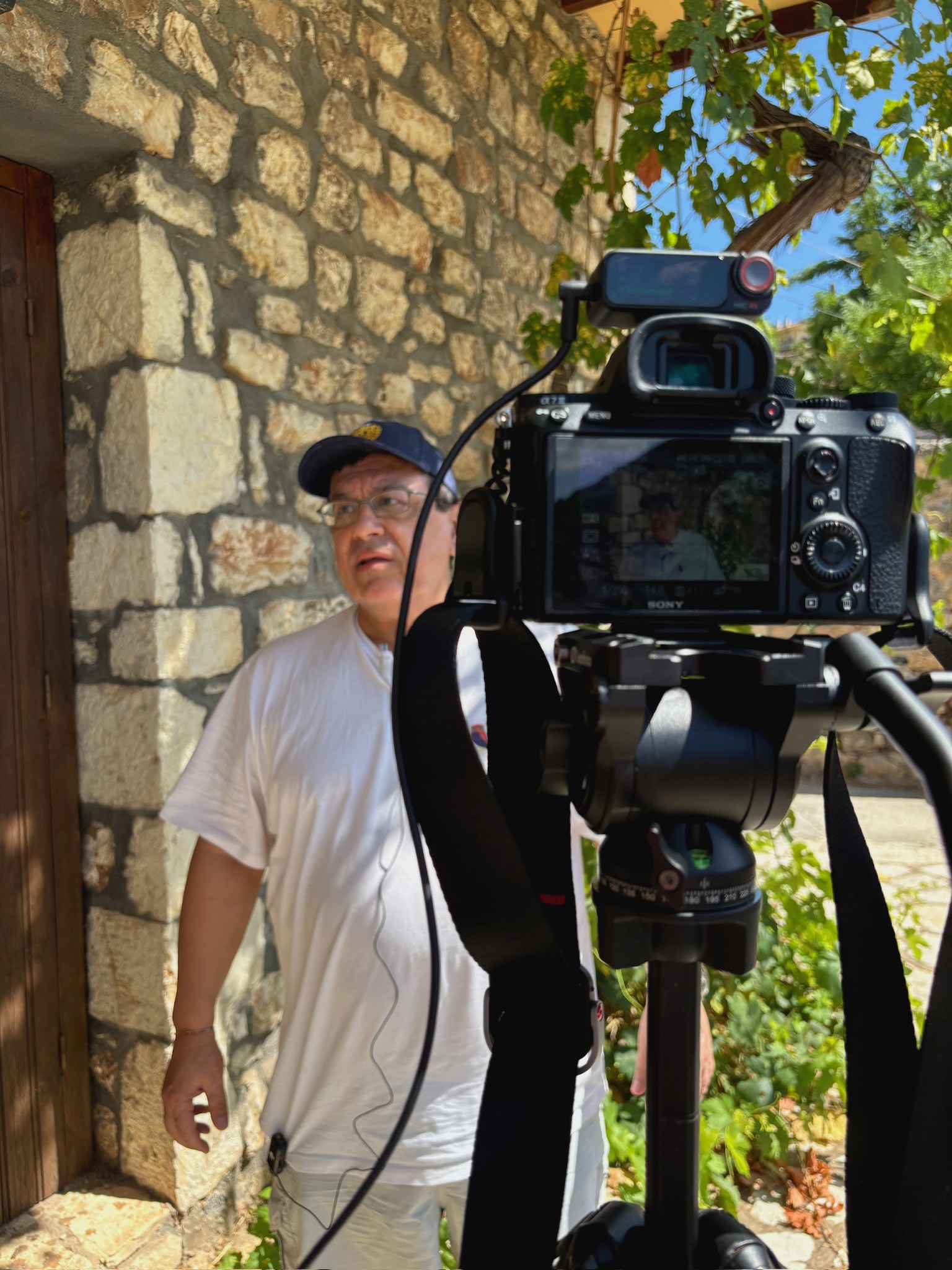
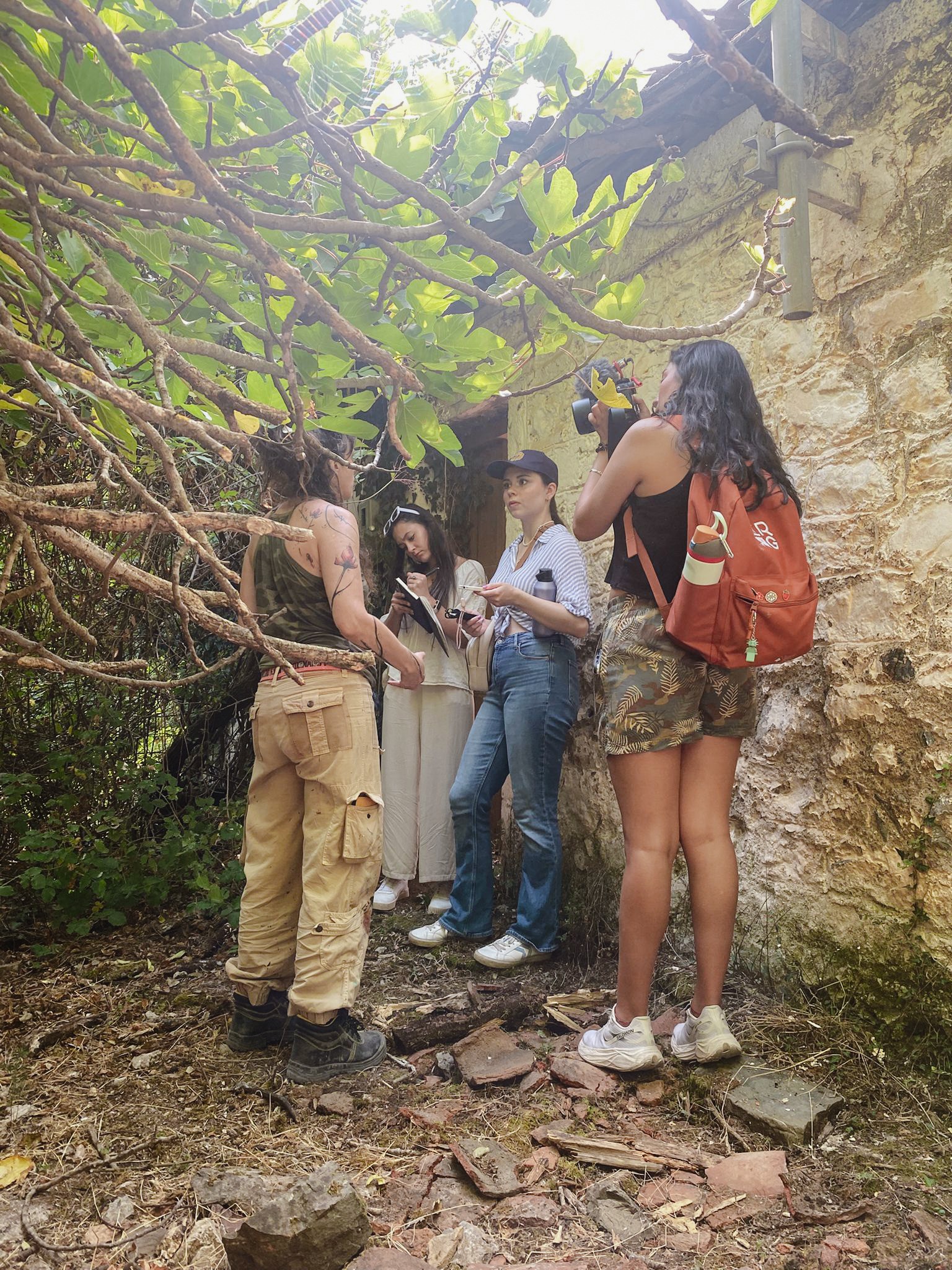
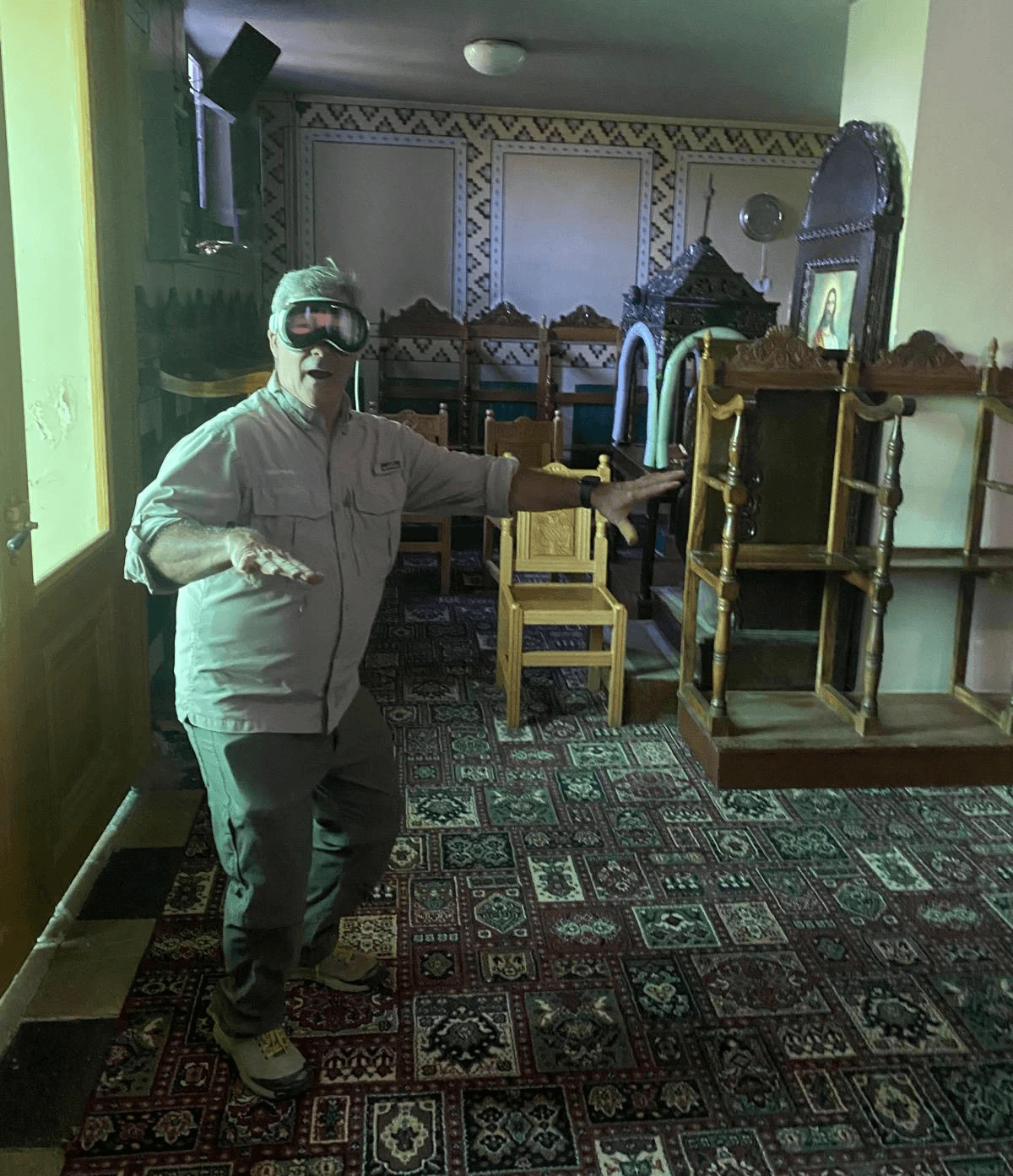
Gabby Escamilla (UX designer), and I focused on capturing the stone carving art through photography and filming video interviews, while the writers talked to people and took notes for their articles, and some of the professors worked on 3D scans of buildings and other areas around town.
Site Construction.
There weren't any developers available to work on this project, so we were on our own for building it.
Originally we wanted to build the site using Framer, since we'd be able to port over the designs from Figma really easily, and I knew it really well. However, UVU decided that paying for the subscription was too expensive.
Since I had previously hand-coded my own portfolio (not the one you're on right now—this is Framer), I was able to start coding this project which would bring the university's cost all the way down to free.
Luckily, we had already decided to scrap the learning modules and other really complicated features, so everything leftover was stuff I learned how to do early on in my degree.